
Sunlit Sills, Flavorful Harvests
Today we dive into windowsill herb microgardens, celebrating compact greenery that turns bright ledges into lively kitchens. Discover simple setups, caring routines, and playful experiments that fit tiny homes, busy schedules, and hungry curiosity, while sharing stories, answering questions, and inviting your own tips, photos, and weekly progress notes.

Finding the Perfect Window
Light decides everything when herbs live on a small sill, from basil’s glossy vigor to thyme’s woody perfume. Compare east, south, west, and north exposures across seasons, noting shadows, reflections, and nearby obstructions. Use a phone lux app, simple cardboard reflectors, and curiosity to tune conditions, then share your observations with fellow readers.
Direction and Daylength
Morning sun from an east-facing pane pampers tender leaves without scorching, while long southern beams power growth but demand vigilant watering. Shorter western bursts can intensify heat near glass, and northern aspects benefit from mirrors or lamps. Track daylength monthly, adjusting plant positions like chess moves to keep stems sturdy and flavorful.
Managing Drafts and Heat
Windows leak stories of weather through microscopic gaps, chilling basil or wilting mint. Roll a candle flame along the frame to spot drafts, then seal gently, leaving airflow from above. Beware radiators below the sill; a cedar trivet or cork risers buffer roots from spikes, preventing stress, bitterness, and disappointing harvests.
Mix Recipes for Aromatic Growth
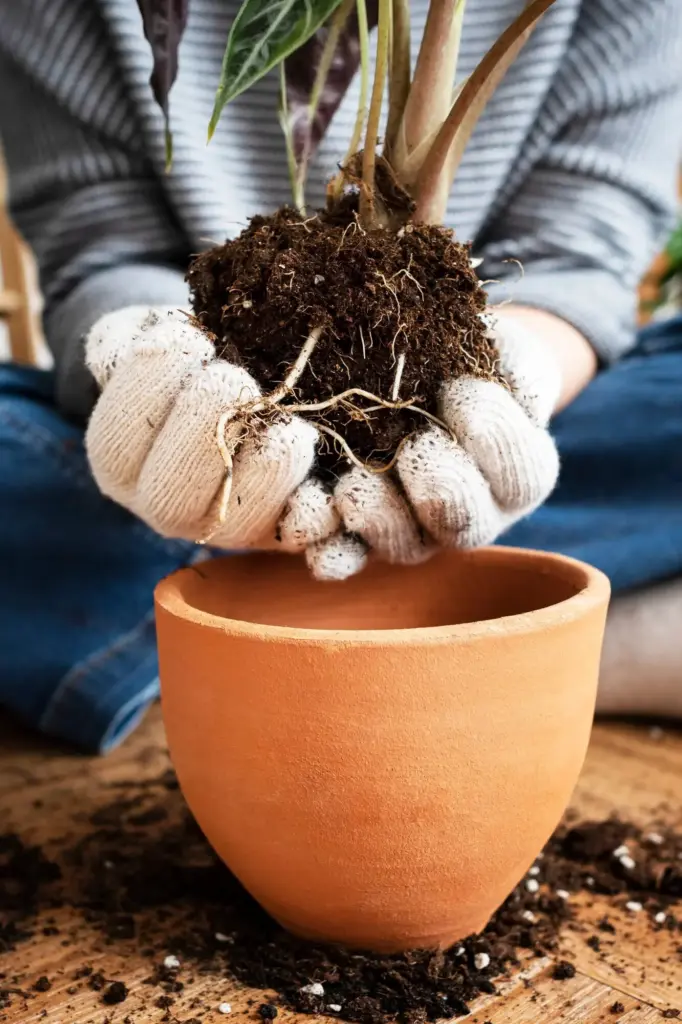
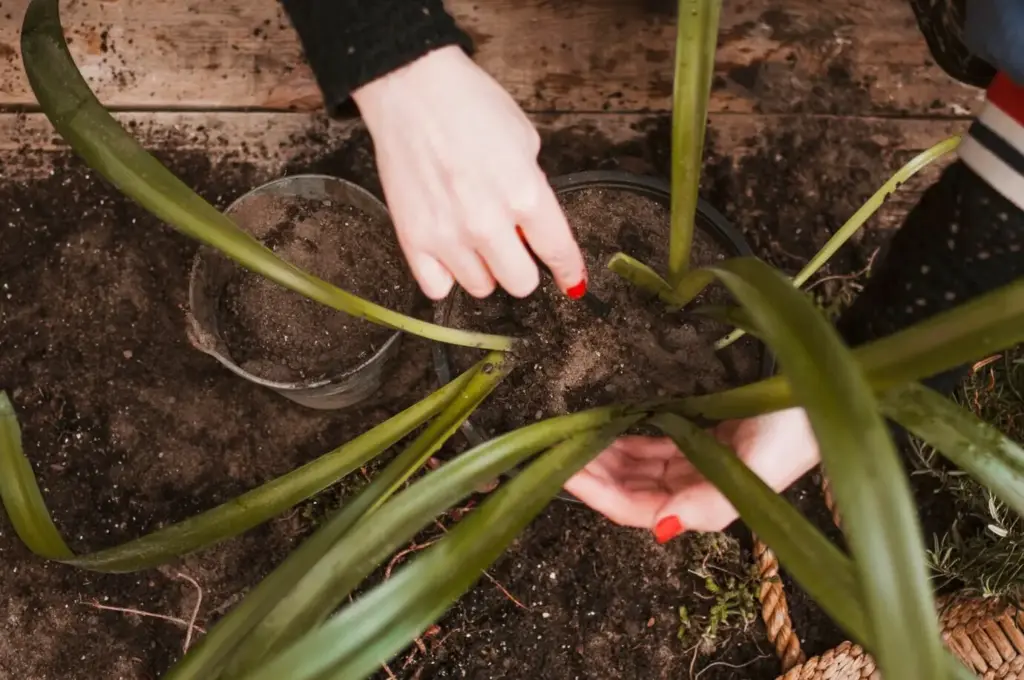
Try two parts potting soil, one part perlite, and one part sifted compost for basil that resists sogginess. Mediterranean herbs prefer leaner blends with extra sand. Sterilize home compost in the oven if necessary. Label batches, date them, and report which blend delivered the brightest flavor and densest, most fragrant leaves.
Feeding Without Overdoing
Too much nitrogen makes plush, watery leaves that bruise quickly and taste flat. Dilute organic fertilizer to half strength, feed every second watering during active growth, and skip during cloudy weeks. Watch leaf color, stem thickness, and scent intensity, steering gently toward balance rather than chasing rapid, stressful spurts.
Choosing Herbs for Small Spaces
Not every culinary favorite belongs beside the glass. Compact basil, Greek oregano, thyme, chives, parsley, mint, and dwarf rosemary perform beautifully with regular trimming. Start with resilient varieties, then expand confidently. Share what thrives on your latitude, celebrate unexpected successes, and help others avoid fussy selections that crowd, bolt, or sulk indoors.
Starter Trio for Beginners
Begin with basil for immediate gratification, chives for forgiving regrowth, and mint for unstoppable cheer. These three teach watering discipline, harvest timing, and pest observation without punishing mistakes. Post your first-month results, including photos, measurements, and favorite dishes, so newcomers can mirror your path and sidestep anxiety about starting small.
Compact Varieties and Clipping Styles
Seek bush basil, dwarf rosemary, and cascading thyme to maximize foliage in minimal space. Pair variety choice with clipping methods: pinch above paired leaves for branching, snip mint runners to contain spread, and harvest parsley outer stems first. Compare outcomes weekly, refining your approach like an attentive chef testing sauces.
Companions and Scent Pairings
Group herbs with similar thirst and light needs, then design aromatic partnerships that inspire cooking. Basil lifts tomatoes, thyme deepens mushrooms, and mint cools citrus. When two pots live side by side, their scents mingle wonderfully. Share your favorite pairings, from lemonade sprigs to skillet heroes, inviting cross-pollination of ideas and recipes.
Water, Humidity, and Daily Care
Consistency outperforms intensity when nurturing tiny gardens on a ledge. Learn the finger test, lift pots to gauge weight, and use a calendar or app reminder. Humidity trays and grouped pots cushion dry indoor air. Schedule five-minute morning rounds for pruning, checking undersides of leaves, and celebrating the small wins that accumulate.
Harvest, Kitchen Uses, and Regrowth
Cut early and often, steering energy into branching and tenderness. Pinch above pairs of leaves, never stripping a stem bare, and harvest across plants to share the load. Bring sprigs straight to the cutting board, then document flavors, oils on fingertips, and regrowth speed to guide your future timing and menus.
Pinch Techniques That Multiply Sprigs
Locate a node with two healthy leaves, pinch just above it, and watch twin shoots emerge within days. Rotate plants after each session to balance light. Keep a notebook of dates and results. Celebrate that first dense basil dome, and encourage readers by posting your method and the meal it powered.
Flavor at the Stove
Add soft herbs near the end of cooking to preserve brightness, while sturdy thyme and rosemary can simmer longer. Try chive oil whipped into ricotta, or mint over seared zucchini. Share a quick recipe in the comments, and tag your photos so we can compare color, shine, and steam-kissed textures.
Storing Surplus Without Losing Aroma
Freeze chopped herbs in oil cubes for pan-ready flavor, or roll leaves into tight chiffonade bundles inside damp towels. Avoid airtight warm containers that dull scent. Label everything, date it, and host a Friday swap thread, trading extra sprigs, ideas, and discoveries with neighbors who read along and grow together.
All Rights Reserved.