
Small Pots, Big Flavor: Crafting Living Soil for Window Herb Gardens

Right-Sized Containers, Real Results
Drainage In Tiny Volumes
Material Matters: Clay, Plastic, Metal
Windowsill Microclimates
Building a Balanced Potting Blend
Tuning Texture With Coco, Compost, Perlite
pH Sweet Spots For Culinary Staples
Clean Yet Alive: Sterilization And Microbes
Gentle Nutrition From Organics And Bio-Boosters
Worm Castings: A Tiny Powerhouse
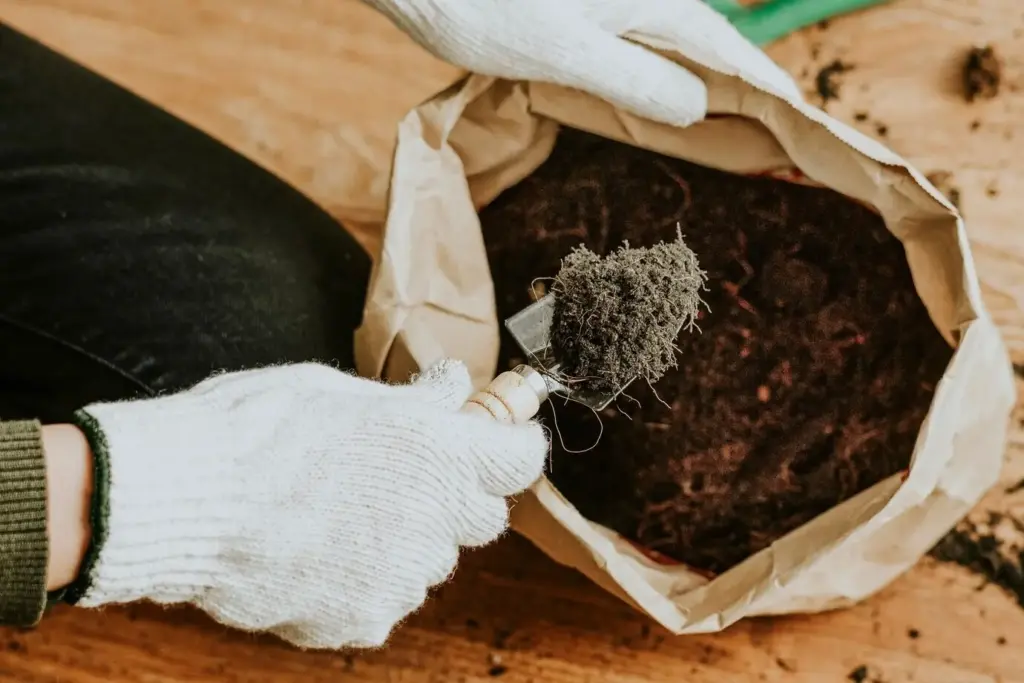
Worm castings deliver mild nitrogen, plant growth promoters, and a supportive microbial community. Blend five to ten percent by volume into the mix, or top-dress a tablespoon for a four-inch pot monthly. Castings improve structure and moisture management without overwhelming roots. Choose dark, crumbly material with an earthy scent, not soggy or smelly clumps. Pair with light liquid feeds, and watch basil deepen in color while parsley thickens. Share before-and-after photos of leaf sheen and stem strength.
Biochar And Exchange Capacity In Small Pots
Pre-charged biochar increases cation exchange capacity, holding nutrients where roots can find them during brief drying cycles. Moisten biochar with compost tea or a dilute organic fertilizer before mixing at five percent by volume. This reduces leaching while stabilizing pH and microbial habitats. In practice, you’ll water less often and see steadier growth, especially in bright positions. Avoid raw, dusty char that can immobilize nutrients at first. Record watering intervals and leaf color improvements to dial in your exact dose.
Micro-Dose Feeding Plans That Prevent Burn

The Weekly Weakly Method
Slow Release And Top-Dressing Without Overload
Reading Plant Signals Before Problems Escalate
Moisture Mastery And Salt Management
Bottom Watering For Calm Roots
Set pots in a shallow tray of water for ten to fifteen minutes, allowing capillary action to hydrate from below. This keeps leaf surfaces dry, reducing fungal risk and soil disturbance. Remove pots promptly to prevent waterlogging, and let saucers dry fully. Bottom watering pairs beautifully with airy mixes and terracotta containers. Add a weekly top-water to redistribute fines and carry nutrients downward. Track pot weight before and after to calibrate your routine. Invite readers to share their timing tricks.
Periodic Flushes To Reset The Medium
Even with gentle feeding, minerals accumulate. Once every three to four weeks, run water equal to two to three times container volume through the mix, letting excess drain freely. This resets electrical conductivity and restores balance for sensitive herbs. Follow with a mild feed the next watering to reestablish baseline nutrition. If leaves curl or tips crisp, shorten intervals between flushes. Consider collecting TDS or EC readings to quantify improvements, and post your before-and-after photos to encourage careful maintenance.
Safe Handling Of Runoff Indoors
Runoff is valuable data and a potential mess. Use a second tray or a turkey baster to capture excess without soaking windowsills. Check clarity, color, and odor to gauge salts and biology. Discard outdoors if concentrated, or dilute heavily for non-edible ornamentals. Clean trays with mild soap to prevent algae films that attract gnats. A tidy routine prevents stains and mildew while giving feedback on your feed plan. Share containment hacks that keep rental windowsills pristine and neighbors happy.
Seasonal Tweaks And Harvest-Driven Growth


All Rights Reserved.