Effortless Kitchen Greens, Even on Busy Days

Today we dive into DIY self-watering systems for indoor herb pots, exploring approachable designs that keep basil, mint, rosemary, and more thriving while you work, travel, or simply forget. We will cover wicks, reservoirs, passive hydro ideas, maintenance routines, and clever tweaks so your windowsill becomes a reliable, fragrant source of fresh leaves every single week.

Capillary Action, Simply Explained

Picture a cotton string touching water in a jar and draped into soil above. Water climbs the fibers, driven by cohesive forces and tiny spaces, delivering moisture evenly. This simple principle underpins most reliable builds, bridging reservoir and roots while protecting herbs from dramatic wet-dry swings that cause wilting, bitterness, and stress.

Choosing a Potting Medium That Wicks and Aerates

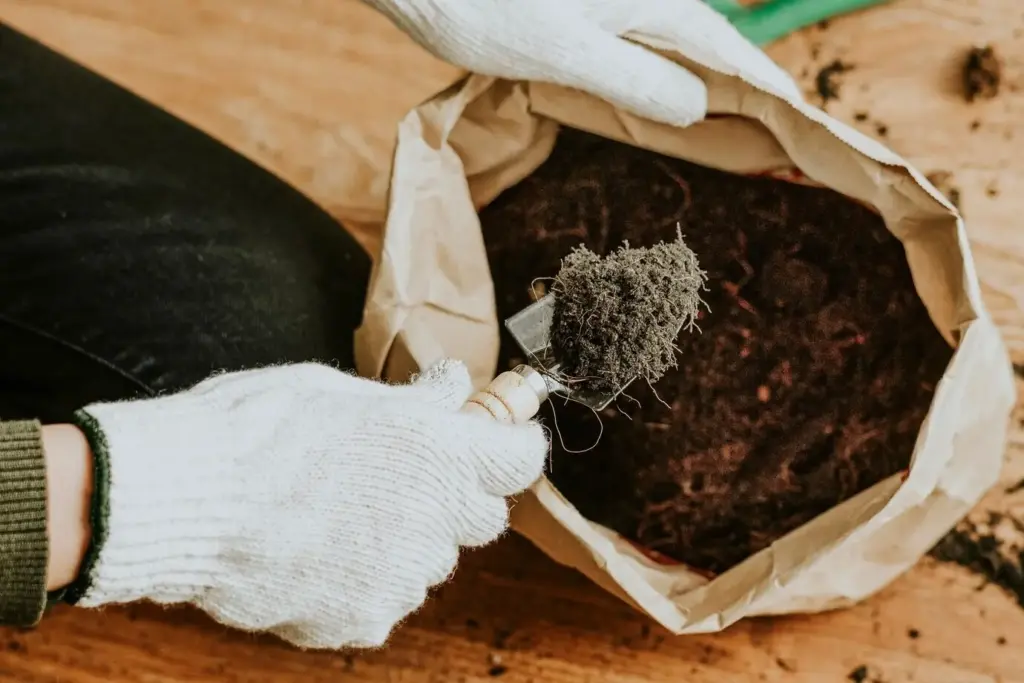
Great results begin with structure. Blend coco coir or peat for moisture retention, perlite or pumice for air pockets, and a small portion of compost for nutrients. These ingredients allow the wick to distribute water reliably, keep oxygen around roots, and reduce fungal risks that arise in dense, heavy mixes over time.

Sizing Reservoirs for Kitchen Routines

Match reservoir capacity to your life. A one-liter bottle often sustains basil three to five days in bright light, while mint in moderate light can stretch a week. Track consumption for two cycles, then adjust container size so refills align with your cooking habits, travel plans, and seasonal shifts in indoor humidity.

Upcycle Bottles and Jars Without Toxins

Choose containers labeled PET, HDPE, or glass for peace of mind. Rinse thoroughly, remove labels, and keep reservoirs opaque or wrapped to block light and control algae. Short, wide jars are easier to clean, while tall bottles extend runtime. Either way, keep everything food-safe to protect herbs and your family.


Wicks That Work

Natural cotton clothesline, braided cotton shoelaces, or polyester mop strands wick steadily and resist decay. Pre-soak to prime fibers before installation, then thread snugly so contact points remain stable as roots expand. Replace wicks every few months to avoid salt buildup and keep flow consistent through temperature changes and heavy use.

Planters, Inserts, and Net Cups

Net cups, drilled yogurt lids, or mesh pencil holders make excellent supports for roots above the reservoir. Fill them with your wicking mix or LECA pellets to maintain air spaces. Ensure a clear path for the wick and leave a small gap beneath for oxygen, preventing stagnant zones and sour odors.

Build Your First Wick-Based Planter

Start with a simple design you can assemble in thirty minutes. This foundation lets you validate watering rates, observe root responses, and gain confidence before exploring advanced ideas. Expect a short adjustment period as herbs adapt from hand-watering to steady moisture, then enjoy consistent growth and softer, more flavorful leaves daily.

Level Up with Passive Hydro Ideas

After a reliable start, explore designs that increase cleanliness and reduce soil mess. Passive hydro approaches using LECA, Kratky-style jars, and float indicators can extend refill intervals and simplify cleanup. Keep nutrients gentle, watch pH, and limit light in reservoirs to support vibrant foliage without pumps, timers, or noise.

Tune for Different Herbs and Seasons

Not all herbs sip the same. Adjust media ratios, wick thickness, light, and container size according to species and climate. Observe leaf texture, fragrance, and growth speed as guides. With a few small tweaks, your setup will suit winter windows, steamy summers, and every bright, fragrant moment in between.

Care, Cleaning, and Troubleshooting

Consistency keeps systems healthy. A monthly rinse, occasional wick replacement, and quick checks for algae or insects prevent bigger problems. Learn to read signals from leaves and roots, then respond calmly. These small routines protect flavor, support vigorous growth, and make indoor gardening a relaxing, restorative part of your week.

Stories from the Windowsill and Community Tips

A short story: a rushed Friday departure left basil and rosemary unattended for five days. The wick-fed bottles kept leaves glossy, and dinner Sunday tasted like summer. Share your experiences, post photos, and subscribe for new builds, seasonal tuning guides, and friendly Q&A sessions that turn small wins into reliable habits.
Lumonelanomato
Privacy Overview

This website uses cookies so that we can provide you with the best user experience possible. Cookie information is stored in your browser and performs functions such as recognising you when you return to our website and helping our team to understand which sections of the website you find most interesting and useful.