Small Pots, Big Flavor: Crafting Living Soil for Window Herb Gardens

Welcome! Today we’re exploring soil mixes and fertilization plans for tiny herb planters, showing how mindful texture, pH, and gentle feeding create vibrant basil, thyme, parsley, mint, and more. You’ll learn practical ratios, smart micro-dosing strategies, and troubleshooting tricks designed specifically for compact containers on windowsills, balconies, and desks. Share your questions along the way, tell us what you’re growing, and subscribe for weekly experiments, seasonal checklists, and quick fixes that keep your miniature culinary garden fragrant, productive, and irresistibly fresh.

Right-Sized Containers, Real Results

Small containers magnify every decision. A few extra milliliters of water, a handful of dense compost, or a missing drainage hole can swing moisture, oxygen, and root temperature dramatically. Selecting pots with reliable drainage, breathable walls, and enough volume to buffer daily swings keeps herbs steady, aromatic, and resilient. We’ll discuss practical trade-offs so each planter supports strong roots, compact growth, and confident harvesting without guesswork or waste.

Drainage In Tiny Volumes

In tiny planters, drainage is not optional; it’s survival. A single blocked hole creates anaerobic pockets where roots suffocate, aromas dull, and fungal issues thrive. Use mesh or shards to prevent media loss, and elevate containers slightly to keep outlets clear. Choose a mix that resists compaction, allowing quick outflow while retaining moderate moisture. Regularly check saucers for standing water, and record how long drying takes so you can water consistently and avoid stress.

Material Matters: Clay, Plastic, Metal

Terracotta breathes and cools the root zone through evaporation, which helps basil and thyme in warm rooms but accelerates drying. Plastic conserves moisture and heat, useful for rosemary in drafts, yet risks sogginess without aeration. Metal warms quickly in sunlit windows, boosting metabolism but stressing mint if moisture dips. Match material to your microclimate and watering habits, balancing breathability with stability. Mix-and-match containers, then observe growth, fragrance intensity, and your refilling schedule.

Windowsill Microclimates

A south-facing sill may bake at midday and chill at night, while an east window offers gentle morning light and steadier temperatures. Radiators, vents, and curtains subtly alter humidity and airflow, changing how soil dries and salts accumulate. Place hygrometers and thermometers near pots, not across the room, to record real conditions. Rotate pots weekly to even out exposure, and adjust soil composition or mulch thickness to cushion extremes. Share your observations to help others tune similar spaces.

Building a Balanced Potting Blend

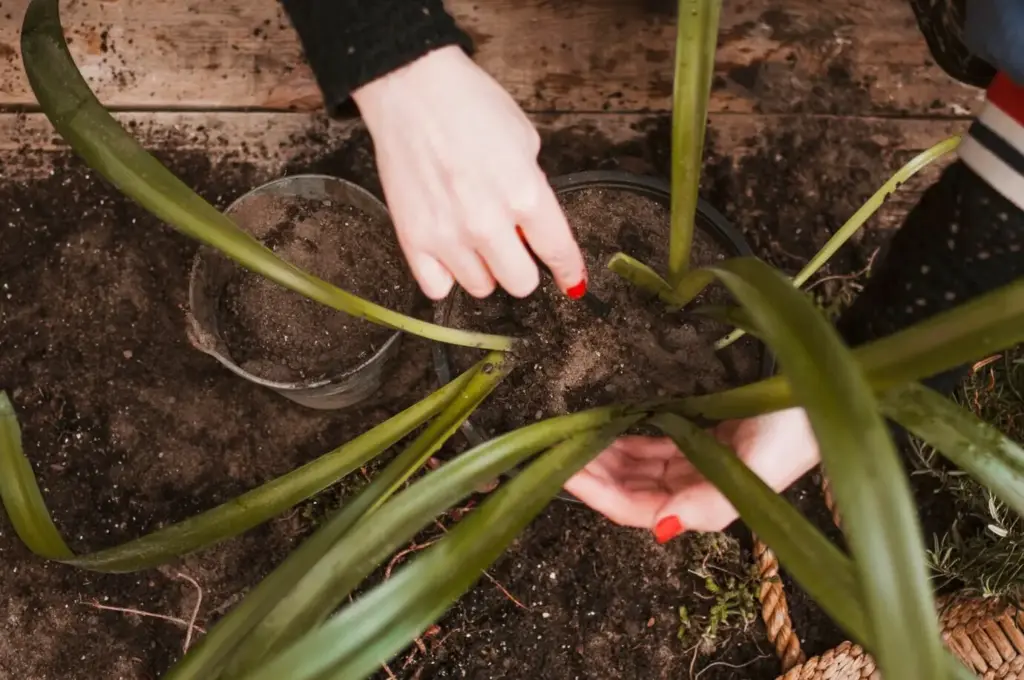
The goal is a fluffy, resilient substrate that drains fast yet holds a dependable reserve for shallow roots. Start with a sterile, peat-free base or coco coir, then layer compost for biology, perlite or pumice for air, and a hint of organic matter for structure. Aim for small, consistent particles that won’t stratify after watering. Herbs prefer a mildly acidic to neutral range, so balancing pH while preserving microbial life keeps flavors bright and growth compact.

Tuning Texture With Coco, Compost, Perlite

A reliable starting point is 40% coco coir for water retention and resilience, 30% screened compost for gentle nutrients and biology, and 30% perlite or pumice for aeration. Test and tweak by squeezing a handful: it should hold shape then crumble easily. Denser composts may require extra perlite; drought-prone windows might prefer more coco. Mix thoroughly, moisten evenly, and let it rest overnight to stabilize before planting. Track results and adjust ratios per herb and climate.

pH Sweet Spots For Culinary Staples

Most kitchen herbs are happiest around pH 6.0–7.0, where macronutrients and many micronutrients remain available without toxicity. Basil’s vigor fades if pH drifts too high; parsley sulks when substrate is too acidic. Use inexpensive pH strips or a calibrated meter after hydrating the mix. If needed, add finely ground limestone to raise pH, or incorporate pine bark fines to lower it slightly. Re-test after amendments, then retest monthly, because tiny planters shift quickly as fertilizers and water interact.

Clean Yet Alive: Sterilization And Microbes

Tiny containers benefit from clean starts, but sterile doesn’t mean biologically empty forever. Pasteurize suspect materials with gentle heat or buy reputable mixes to avoid gnats and pathogens. After planting, reintroduce beneficial life through compost, worm castings, or inoculants. This staged approach limits pests while restoring nutrient cycling, improved structure, and disease suppression. It’s like starting with a tidy kitchen, then inviting master chefs who quietly maintain order and flavor. Keep notes on how each inoculation changes aroma and vigor.

Gentle Nutrition From Organics And Bio-Boosters

In small planters, restraint wins. Herbs prefer steady, gentle feeding that supports oils and flavor complexity without lush, watery growth. Organic amendments release slowly, and microbial partners help roots access what they need. Combining worm castings, a pinch of mineral diversity, and living inoculants creates a buffered nutrient pool. The result is fewer spikes, less salt stress, and fragrant leaves. We’ll outline reliable components, how to measure them, and when to hold back for perfect balance.

Worm Castings: A Tiny Powerhouse

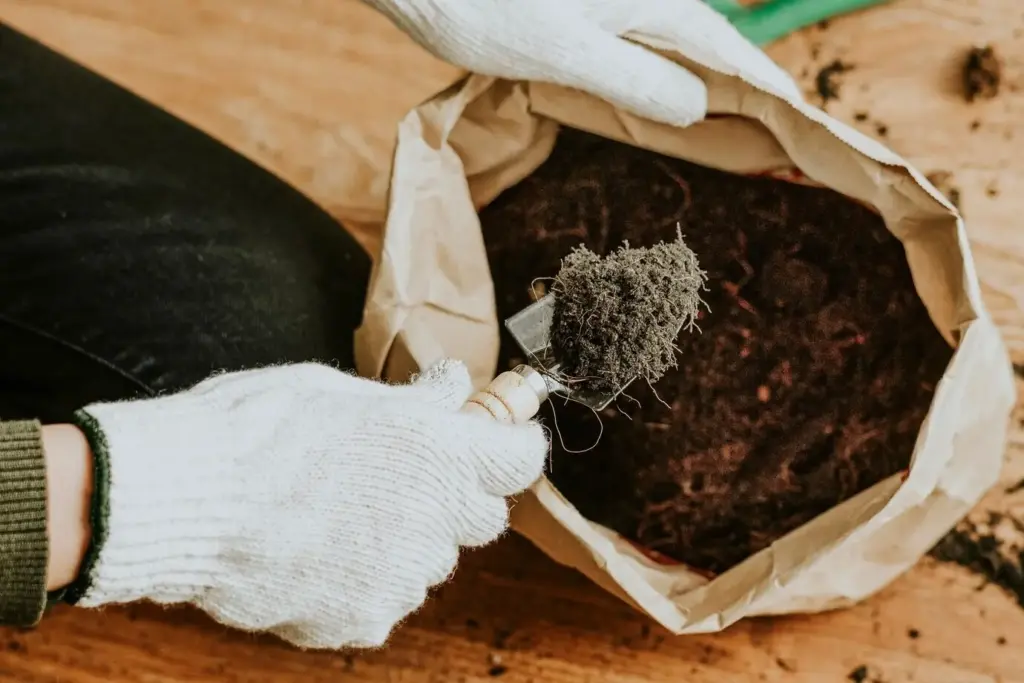
Worm castings deliver mild nitrogen, plant growth promoters, and a supportive microbial community. Blend five to ten percent by volume into the mix, or top-dress a tablespoon for a four-inch pot monthly. Castings improve structure and moisture management without overwhelming roots. Choose dark, crumbly material with an earthy scent, not soggy or smelly clumps. Pair with light liquid feeds, and watch basil deepen in color while parsley thickens. Share before-and-after photos of leaf sheen and stem strength.

Biochar And Exchange Capacity In Small Pots

Pre-charged biochar increases cation exchange capacity, holding nutrients where roots can find them during brief drying cycles. Moisten biochar with compost tea or a dilute organic fertilizer before mixing at five percent by volume. This reduces leaching while stabilizing pH and microbial habitats. In practice, you’ll water less often and see steadier growth, especially in bright positions. Avoid raw, dusty char that can immobilize nutrients at first. Record watering intervals and leaf color improvements to dial in your exact dose.

Micro-Dose Feeding Plans That Prevent Burn

Feeding tiny herb planters is about consistency, not intensity. Concentrated fertilizers can spike electrical conductivity quickly, burning tips and dulling flavors. Instead, apply dilute solutions on a predictable schedule, adjusting to light, temperature, and growth stage. Combine a gentle base feed with occasional calcium and magnesium support. Keep notes on scent, leaf texture, and rebound after harvesting. With a steady rhythm, your pots stay productive for months, and meals gain bright, complex aromatics without bitterness or stress.

The Weekly Weakly Method

Mix liquid fertilizer at one-quarter strength, then apply once per week to moist soil, not bone dry media. This buffers uptake and reduces shock while preserving microbial allies. If leaves pale despite steady growth, bump to one-third strength. In intense summer sun, move to twice-weekly micro-doses; during winter, reduce frequency. Aim for modest EC values and clean runoff monthly. Track flavor intensity after each adjustment, and post your best basil pesto benchmark to inspire other growers.

Slow Release And Top-Dressing Without Overload

For low-maintenance containers, use a mild, organic slow-release granule at label rates, then top-dress with compost or castings monthly. Sprinkle evenly, scratch gently, and water in lightly to prevent pockets of salt. Rotate planters so granules don’t accumulate near prevailing drips. Monitor for tip burn on delicate herbs like cilantro, and back off immediately if edges brown. Blend this method with occasional dilute foliar sprays for micronutrients. Share your brand experiences and how long the charge truly lasts in practice.

Reading Plant Signals Before Problems Escalate

Light green new leaves may suggest nitrogen hunger, while uniform yellowing hints at watering or root aeration issues. Purpling can indicate phosphorus limitations, especially in cool conditions; crisp edges often mean salt stress. Smell leaves: fading scent may signal imbalance before visual changes. Adjust only one variable at a time, then wait a week. Keep a simple log covering date, weather, watering, and feed strength. Compare notes with fellow readers to build a reference library of reliable fixes.

Moisture Mastery And Salt Management

Watering tiny planters is an art of timing and volume. Roots need oxygen as much as moisture, and salts concentrate quickly when containers are small. Choose a consistent technique that suits your mix and climate, then defend it with measurement and observation. Feel weight, test moisture at depth, and schedule occasional flushes. The reward is sturdy stems, bright flavors, and fewer pests. We’ll outline practical routines that protect your herbs from both drought stress and silent salinity creep.

Bottom Watering For Calm Roots

Set pots in a shallow tray of water for ten to fifteen minutes, allowing capillary action to hydrate from below. This keeps leaf surfaces dry, reducing fungal risk and soil disturbance. Remove pots promptly to prevent waterlogging, and let saucers dry fully. Bottom watering pairs beautifully with airy mixes and terracotta containers. Add a weekly top-water to redistribute fines and carry nutrients downward. Track pot weight before and after to calibrate your routine. Invite readers to share their timing tricks.

Periodic Flushes To Reset The Medium

Even with gentle feeding, minerals accumulate. Once every three to four weeks, run water equal to two to three times container volume through the mix, letting excess drain freely. This resets electrical conductivity and restores balance for sensitive herbs. Follow with a mild feed the next watering to reestablish baseline nutrition. If leaves curl or tips crisp, shorten intervals between flushes. Consider collecting TDS or EC readings to quantify improvements, and post your before-and-after photos to encourage careful maintenance.

Safe Handling Of Runoff Indoors

Runoff is valuable data and a potential mess. Use a second tray or a turkey baster to capture excess without soaking windowsills. Check clarity, color, and odor to gauge salts and biology. Discard outdoors if concentrated, or dilute heavily for non-edible ornamentals. Clean trays with mild soap to prevent algae films that attract gnats. A tidy routine prevents stains and mildew while giving feedback on your feed plan. Share containment hacks that keep rental windowsills pristine and neighbors happy.

Seasonal Tweaks And Harvest-Driven Growth
As light angles shift and indoor temperatures swing, herb metabolism and water demand change too. Adjust soil moisture targets, feed intensity, and pruning style to keep flavor vivid year-round. Cooler months favor slower feeding and brighter drainage; bright summers reward slightly richer schedules with vigilant flushing. Strategic harvesting encourages bushiness, reducing legginess while maintaining steady nutrient flow. With attentive tweaks, tiny planters become reliable kitchen allies in every season. Compare notes, swap recipes, and celebrate each fragrant handful.
Lumonelanomato
Privacy Overview

This website uses cookies so that we can provide you with the best user experience possible. Cookie information is stored in your browser and performs functions such as recognising you when you return to our website and helping our team to understand which sections of the website you find most interesting and useful.